

Sanibel Landscape Services
Sign up now for autumn service and enjoy a vibrant, worry-free yard all season long!
Get a Free QuoteLandscape Services Tailored for Sanibel, Florida
Expert Lawn Care for Sanibel’s Unique Island Environment
Sanibel’s coastal climate brings distinct challenges to residential landscaping. Salt exposure from Gulf breezes, especially near Lighthouse Beach Park and along East Gulf Drive, can stress turf and ornamentals, requiring salt-tolerant plant selections and specialized care. Summer droughts and sandy soils common in neighborhoods like The Dunes and Gumbo Limbo demand efficient irrigation and soil amendments to maintain healthy lawns. Shaded lots beneath mature sea grape and palm canopies, as seen in the Old Town area, call for tailored mowing and fertilization strategies. For more information about Sanibel’s natural features and community resources, visit the City of Sanibel’s official website.
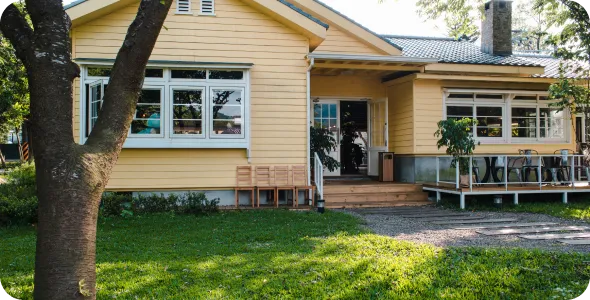
Our Sanibel Landscaping & Yard Care Services
Sanibel Gardening Services
Sanibel Yard Clean Up
Why Choose Sanibel Landscape Services

Sanibel Homeowners Trust Us
-
Expert Lawn Maintenance
-
Reliable Irrigation Solutions
-
Competitive Pricing
-
Professional Team
-
Sustainable Landscaping Practices
-
Personalized Service
Contact Your Local Sanibel Public Works or Solid Waste Department for Green Waste Info
Sanibel, a barrier island in Lee County within the Gulf Coast / Southwest Florida region, enforces strict vegetative debris protocols to protect its sensitive coastal ecosystem. Yard waste—including palm fronds, sea grape trimmings, and brush—must be bundled in lengths no longer than four feet and placed curbside for scheduled collection. Plastic bags are prohibited; use paper yard waste bags or open containers. The City of Sanibel coordinates storm debris pickup after hurricanes and tropical events through its Public Works Department, and commercial landscapers must haul debris to approved Lee County facilities. Blowing or dumping clippings, fertilizer granules, or sediment into streets, swales, storm drains, canals, or coastal waters is prohibited under the Clean Water Act and local MS4 stormwater rules. Residents may access mulch generated from chipped storm debris when available.
Sanibel Public Works Department
800 Dunlop Road, Sanibel, FL 33957
Phone: (239) 472-6397
Official Website: Sanibel Public Works Department
Lee County Solid Waste Division
1500 Monroe Street, Fort Myers, FL 33901
Phone: (239) 533-8000
Official Website: Lee County Solid Waste Division
Lawn Care Regulations & Permits in Sanibel, FL
Sanibel enforces some of the most protective fertilizer ordinances in Florida. The City's fertilizer blackout period prohibits nitrogen and phosphorus application during the rainy season (June 1 through September 30), and year-round setbacks of at least ten feet from any water body apply. All commercial fertilizer applicators must hold certification under Florida Statutes 482.1562 and follow the Urban Turf Fertilizer Rule for Home Lawn Fertilization, including minimum slow-release nitrogen percentages. Pesticide use must comply with Florida Pesticide Law - Chapter 487, and commercial applicators require licensing through Florida Department of Agriculture and Consumer Services - Pesticide Applicator Certification and Licensing. Irrigation follows the South Florida Water Management District's two-day-per-week schedule, and rain sensor shutoff devices are required on all automatic systems per Florida Statutes 403.9337. Noise ordinances restrict power equipment operation to daytime hours. Commercial operators must maintain a local business tax receipt, liability insurance, and vehicle compliance.
Sanibel Development Services Department
800 Dunlop Road, Sanibel, FL 33957
Phone: (239) 472-4136
Official Website: Sanibel Development Services Department
Florida Department of Agriculture and Consumer Services
2005 Apalachee Parkway, Tallahassee, FL 32399
Phone: (850) 488-3022
Official Website: Florida Department of Agriculture and Consumer Services
What Neighborhoods Do We Serve in Sanibel, FL?
Sanibel's barrier-island setting creates distinct lawn care zones shaped by shell-influenced soils, high water tables, salt spray, and proximity to the J.N. "Ding" Darling National Wildlife Refuge. Each area demands tailored strategies:
- The Dunes Golf & Tennis Club — Shell-fill and sandy soils with moderate salt exposure; St. Augustinegrass and zoysiagrass predominate on irrigated lots; HOA standards require consistent turf appearance; stormwater ponds and golf course buffers demand fertilizer setback compliance
- Sanibel Estates — Older residential lots with mature canopy of gumbo limbo, sea grape, and native oaks creating heavy shade; sandy soils with rapid drainage and nutrient leaching; shade-tolerant St. Augustinegrass cultivars perform best
- Gulf Pines / Gulf Woods — Coastal lots with direct Gulf wind and salt spray exposure; sandy soils over shell substrate; seashore paspalum or salt-tolerant St. Augustinegrass recommended; drainage swales connect to sensitive mangrove-adjacent wetlands
- Tahitian Gardens / East End Commercial-Residential — Mixed-use properties near Periwinkle Way with compacted fill soils; high foot traffic and impervious surface runoff concerns; turf areas small but visible
- Captiva Road Corridor / West End — Near-conservation land with wildlife corridor sensitivity; sandy flatwoods soils; lower-input bahiagrass or Florida-Friendly native groundcovers appropriate; proximity to Pine Island Sound requires strict nutrient management
- Shell Harbor — Canal-front residential with direct tidal water access; high water table and salt intrusion risk; fertilizer and pesticide runoff directly threatens estuarine water quality; zoysiagrass and St. Augustinegrass with careful irrigation calibration
- Beachview Estates — Golf community with sandy soils and moderate coastal wind; bermudagrass on athletic turf areas; residential lots favor St. Augustinegrass; stormwater infrastructure connects to Sanibel River corridor
Partnering With Sanibel's Stormwater, Environmental, or Sustainability Office
Sanibel's Natural Resources Department oversees environmental protection across the island's interconnected system of mangrove estuaries, interior wetlands, the Sanibel River, and Gulf shoreline. Lawn care operations must align with the City's MS4 stormwater permit requirements under the Florida DEP - NPDES Stormwater Program and Florida DEP - Municipal Separate Storm Sewer Systems (MS4). Sustainable practices we coordinate include:
- Grasscycling to return nutrients and reduce green waste volume
- Micro-irrigation for landscape beds to minimize overspray into swales
- Rain sensor compliance on all irrigation systems
- Native and adapted plant integration per the Florida-Friendly Landscaping™ Program
- Reduced-phosphorus fertilization to protect Pine Island Sound and San Carlos Bay
- Proper mowing height to promote root depth and reduce runoff per UF/IFAS Gardening Solutions - Lawns
Sanibel Natural Resources Department
800 Dunlop Road, Sanibel, FL 33957
Phone: (239) 472-3700
Official Website: Sanibel Natural Resources Department
South Florida Water Management District
3301 Gun Club Road, West Palm Beach, FL 33406
Phone: (561) 686-8800
Official Website: South Florida Water Management District
Top Sanibel Lawn Problems (and How We Solve Them)
Sanibel's Gulf Coast barrier-island environment produces a specific set of turf challenges:
- Salt burn and wind desiccation — Coastal wind carries salt spray deep into interior lots; we select salt-tolerant cultivars and apply post-storm freshwater rinses per UF/IFAS Extension - Lawn Maintenance guidance
- Chinch bugs in St. Augustinegrass — Hot, dry microclimate pockets along south-facing foundations harbor infestations; proper irrigation calibration and resistant cultivars like 'Floratam' reduce pressure
- Large patch fungus — High humidity and shell-influenced alkaline soils promote Rhizoctonia; we avoid late-season nitrogen and maintain proper mowing height per Best Management Practices for Your Lawn
- Nematodes in sandy soils — Sanibel's deep sands harbor root-knot and sting nematodes that thin turf; soil testing through UF/IFAS guides species selection and organic amendment strategies
- Standing water and poor drainage — Flat topography and high water tables cause saturated root zones after summer storms; grading adjustments and drought-tolerant species reduce stress
- Take-all root rot — Alkaline shell soils and overwatering create ideal conditions; we lower soil pH with appropriate amendments and improve drainage
- Hurricane and tropical storm debris — Downed palms, sea grape limbs, and salt-laden debris require rapid removal to prevent turf smothering and secondary fungal infection
What Makes Lawns in Sanibel Different From the Rest of Florida?
Sanibel sits in USDA Hardiness Zone 10a with virtually no frost risk, distinguishing it from Central and North Florida communities. Key regional differences include:
- Shell-influenced alkaline soils — Unlike the deep acidic sands of Central Florida's I-4 corridor, Sanibel's calcareous shell substrate locks out iron and manganese, requiring chelated micronutrient applications
- Year-round growing season — Turf never enters true dormancy, demanding continuous maintenance unlike Panhandle lawns that experience winter brown-out
- Extreme salt and wind exposure — As a barrier island, every property faces salt stress that mainland Gulf Coast cities like Fort Myers experience only near waterfront lots
- Sensitive estuarine surroundings — Pine Island Sound, San Carlos Bay, and interior wetlands make nutrient runoff consequences more immediate than in inland lake communities
- Rainy season intensity — June through October delivers 35+ inches of rainfall, concentrating fungal disease pressure and making the fertilizer blackout period critical
- Conservation-first land ethic — Over 67% of Sanibel is preserved land, creating a community expectation for low-impact, wildlife-compatible landscaping uncommon in typical Florida subdivisions
- Seasonal residency patterns — Many properties sit vacant during summer, requiring maintenance plans that account for unmonitored irrigation and pest pressure
Supporting Local Events in Sanibel With Lawn Expertise
We coordinate turf preparation and post-event recovery for Sanibel's community programming:
- Sanibel Recreation Center athletic fields and youth sports programs
- Grounds support for community events at the Sanibel Community House
- Post-hurricane vegetative debris response in coordination with Public Works and FEMA staging
- Seasonal preparation for the Sanibel Shell Festival and related community gatherings
- Park turf maintenance support at Bowman's Beach, Lighthouse Beach Park, and Gulfside City Park
- School grounds coordination with the Sanibel School (within Lee County School District)
- Volunteer coastal cleanup and invasive plant removal support alongside the Sanibel-Captiva Conservation Foundation
Sanibel Recreation Department
3880 Sanibel-Captiva Road, Sanibel, FL 33957
Phone: (239) 472-0345
Official Website: Sanibel Recreation Department
Eco-Friendly Landscaping Backed by Sanibel's Florida-Friendly and Water-Saving Initiatives
Sanibel's environmental identity demands alignment with the Florida-Friendly Landscaping™ Program and South Florida Water Management District - Landscape Irrigation conservation rules. Our practices include:
- Smart irrigation controllers with weather-based ET adjustment
- Rain shutoff sensors on every system we manage
- Micro-irrigation for ornamental beds to eliminate overspray
- Compost topdressing to improve sandy soil moisture retention
- Integrated pest management reducing synthetic chemical reliance per Florida Department of Agriculture and Consumer Services - Licensing and Certification standards
- Battery-powered mowers and blowers to reduce emissions and noise on the island
- Grasscycling and local mulch reuse to minimize green waste hauling
- Pollinator-friendly native plantings including coontie, firebush, and blanket flower
- Invasive species monitoring per Florida Department of Agriculture and Consumer Services - Noxious Weeds
Florida Department of Environmental Protection
2600 Blair Stone Road, Tallahassee, FL 32399
Phone: (850) 245-2118
Official Website: Florida Department of Environmental Protection
UF/IFAS Lee County Extension
3406 Palm Beach Boulevard, Fort Myers, FL 33916
Phone: (239) 533-7513
Official Website: UF/IFAS Lee County Extension
National Weather Service - Miami Office
11691 SW 17th Street, Miami, FL 33165
Phone: (305) 229-4522
Official Website: National Weather Service - Miami
U.S. Environmental Protection Agency, Region 4
61 Forsyth Street SW, Atlanta, GA 30303
Phone: (404) 562-9900
Official Website: U.S. Environmental Protection Agency, Region 4
Proudly Serving These Streets and Areas in Sanibel
We provide comprehensive lawn care across Sanibel Island, organized by corridor:
- Periwinkle Way Corridor (East to West) — Lindgren Boulevard, Donax Street, Tulipa Way, Tarpon Bay Road intersection, Casa Ybel Road, Palm Ridge Road
- Sanibel-Captiva Road / West End — Rabbit Road, Wulfert Road, Bowman's Beach Road, Chapin Lane, Wildlife Drive (adjacent service areas near Ding Darling Refuge)
- East End / Lighthouse Area — Lighthouse Way, Anchor Drive, Ferry Road, Periwinkle Way east terminus, East Gulf Drive, Middle Gulf Drive east sections
- Gulf Drive Communities — West Gulf Drive, Middle Gulf Drive, East Gulf Drive, Buttonwood Lane, Pyrula Drive, Nerita Street, Coquina Drive
- Shell Harbor / Canal-Front — Sand Dollar Drive, Limpet Drive, Conch Court, Cowrie Drive, Oliva Street, Junonia Street
- The Dunes / Beachview — Bailey Road, Sandcastle Road, Albatross Road, Heron Drive, Windward Way
- Interior / Mid-Island — San-Cap Road, Island Inn Road, Dixie Beach Boulevard, Wooster Lane, Fitzhugh Street
Notable landmarks within our service area include J.N. "Ding" Darling National Wildlife Refuge, Bowman's Beach, Lighthouse Beach Park, Gulfside City Park, the Sanibel Community House, Bailey's General Store plaza, the Sanibel Historical Museum, and the Sanibel School campus.